Claudio Fantinuoli — Language Technologies — Innovation, Research & Management
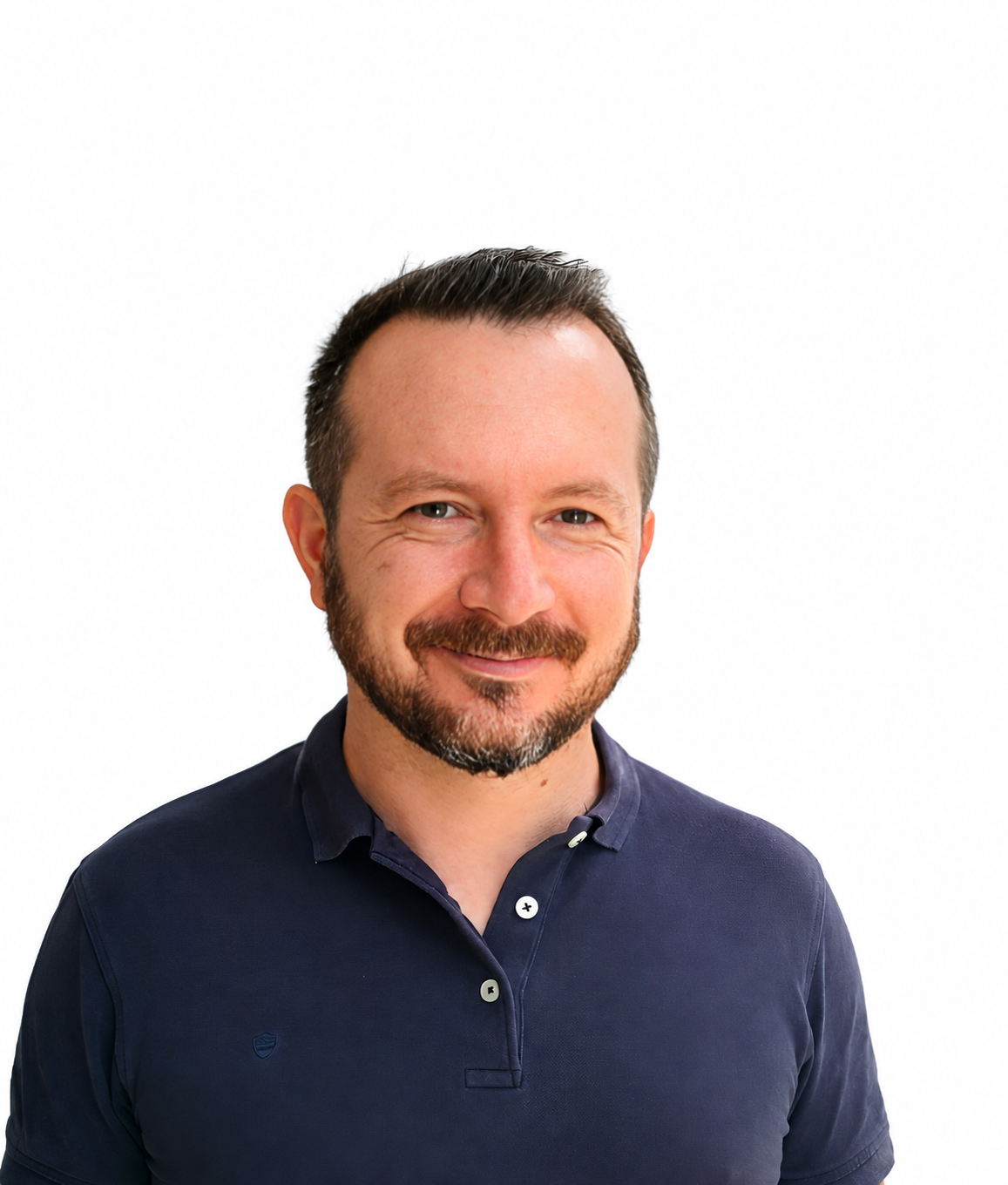
I am the creator of InterpretBank and Interpreter24.
I am also a professor at University of Mainz, with a PhD in Applied Linguistics. As a senior executive, I support companies and public institutions with their AI and product strategies. I currently advise Voiseed, where we build human-like synthetic voices. Previously, I served as CTO at KUDO, where we introduced speech translation for corporate meetings, and advised the European Institutions on speech recognition and translation.
Surprised to find myself among the 16 thought leaders shaping the future of the language industry, I write about technology on my blog and as a columnist for Multilingual.
You can reach me at info@fantinuoli.org.
Recent blog posts
 Who Checked? The Case for Certifying AI Translation
AI translation does not need a certificate for every use. But when a machine speaks for someone in a hospital or a courtroom, we should know who tested it, for what, and against which standard.
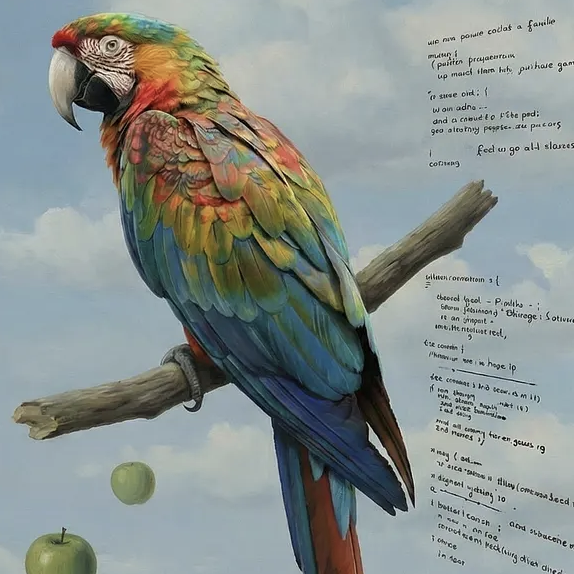 Parrots Do Not Translate: On the Ability of AI to Understand and Translate the World
Translators keep saying LLMs don’t understand meaning. That belief is outdated. What if language-based understanding is (almost) all translation really requires?
 Beyond ‘Good Enough’: Asking the Harder Question About AI Translation
The debate about whether AI translation is good enough risks mistaking a transitional moment for the future. What happens to professional expertise if the technology becomes very good?
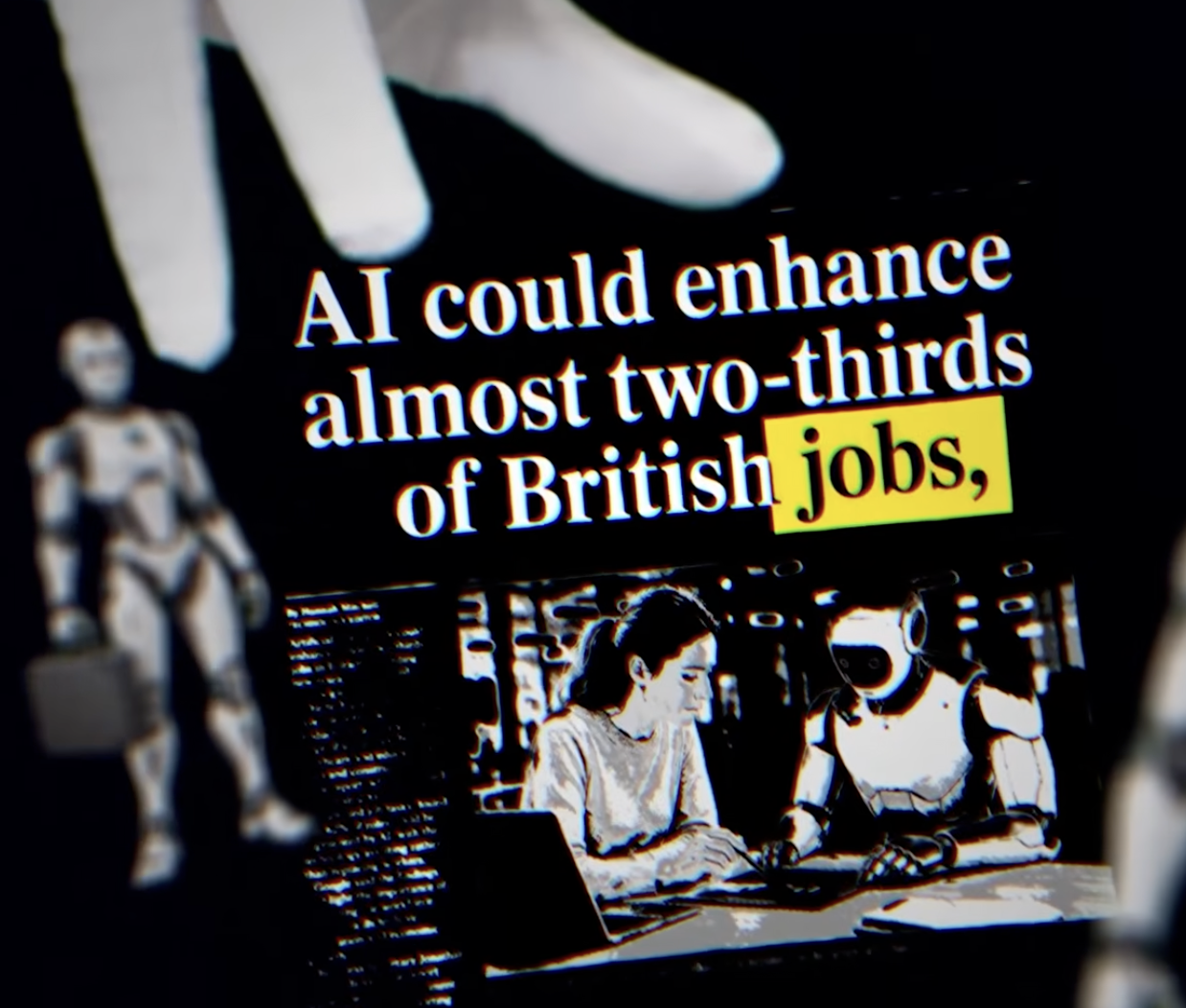 The perception of AI: swinging between euphoria and dystopia
I have never experienced anything quite like this in my life: a divide, among genuinely intelligent, informed people, that runs this deep, this evenly, and this fast.
 End-to-end versus cascading AI interpreting
End-to-end speech translation is moving from research prototypes into usable systems. The important question is no longer whether the architecture works, but what it changes in our understanding of interpreting, control, latency and human expertise.